

Edge computing is changing marketing. It lets businesses give customers unique and fun experiences. With 5g, data is processed fast, making things smoother. Companies like Verizon and AT&T use edge computing and 5g. They get to know what customers like. This helps them make better ads.
Edge computing can do a lot in marketing. It makes things better for customers and helps businesses work better. It’s changing how we market.
Edge computing is key for businesses to keep up. It works well with 5g. This lets marketers give customers special and fun experiences.
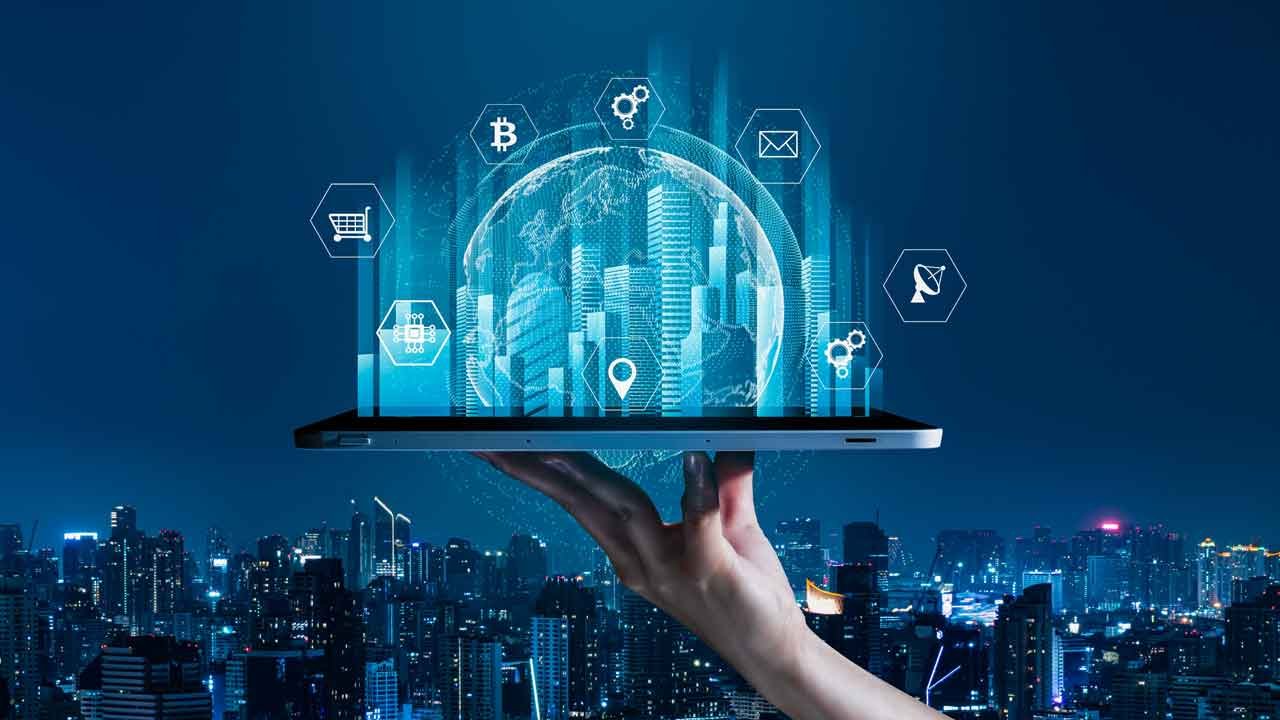
Edge computing makes data processing faster by moving it closer to where it’s needed. This is key in today’s world where cloud computing and data processing matter a lot. Big companies like Microsoft and Amazon use Edge computing to make their cloud services better.
When 5G technology meets Edge computing, data moves faster and connections get stronger. This is great for mobile networks. It helps with things like virtual reality and augmented reality. Edge computing helps businesses work better and serve their customers better too.

As Edge computing grows, it will shape the future of cloud computing and data processing. It makes data processing fast and cuts down on delays. This could change how businesses work and talk to their customers
Now, thanks to low latency and edge devices, businesses can give customers cool, new experiences. This is big for virtual product delivery. Companies can use edge computing to handle data fast. This means customers get smooth, fun experiences, like shopping in augmented reality.
Companies like IKEA and Sephora are using this tech. They’ve added cool augmented reality features to shopping. This makes shopping better and gives them useful info on what customers like.
As edge computing gets better, we’ll see even more cool stuff. It’s changing how businesses talk to customers. Edge computing is key to the future of marketing and more.
The mix of low latency and edge devices is changing how we shop online. Companies can now offer things like virtual try-ons and cool product demos. This makes customers happy and helps businesses grow.
Edge computing in virtual product delivery has many benefits. Here are a few:
Some cool uses of Edge computing in gaming are:
Edge computing helps game makers understand how players act. This info helps them make better ads and games. As gaming keeps getting better, Edge computing and real-time marketing will play bigger roles.
The gaming world has changed a lot with Edge computing. It lets developers make games that feel real and fun. This tech also helps with real-time ads, making them personal and interesting. The internet of things helps by making devices talk to each other and gather player data.
Big names like Google and Microsoft use Edge computing to make their games better. They want players to have a smooth and fun time. The network architecture of these games is made to cut down on delays. This way, players get to enjoy top-notch games without any hiccups.
Edge computing is changing how businesses work. It’s making a big difference in supply chain optimization. Companies can track inventory and manage logistics better. They can also predict demand more accurately. This helps them make smart choices, cut costs, and work more efficiently.Mobile networks play a big role too. They help with real-time communication between different groups. This lets companies quickly handle changes in demand or supply chain issues.
Some key benefits of edge computing in supply chain optimization are:
Vivamus consectetuer hendrerit lacus. Vivamus quis mi. Nulla porta dolor. Duis arcu tortor, suscipit eget, imperdiet nec, imperdiet iaculis, ipsum. Praesent blandit laoreet.
Big names like Walmart and Amazon are already using edge computing. They process data in real-time. This helps them optimize their supply chain, save money, and make customers happier.
Drone tech is changing many industries with edge computing. It makes things better and more efficient. For example, drones with edge devices help with inventory, delivery, and watching places in real time.
Some cool uses of drones in edge computing are:
UPS and FedEx are using drones to improve their delivery. They use edge computing to process data quickly, making things more efficient. Edge devices and networks are key for these uses. As tech gets better, we’ll see more cool things.
The future of drones in edge computing is bright. We’ll see drones in healthcare, farming, and building. As tech grows, we’ll see new ways drones help companies and people.
Cloud computing and the internet of things have changed how businesses interact with customers. They can now offer virtual product demos that feel real. This lets customers try before they buy.
Companies like IKEA and Sephora use augmented reality to improve shopping. IKEA’s app lets you see furniture in your home before buying. This makes shopping better and cuts down on returns.
Augmented reality shopping uses edge computing for virtual demos. It lets businesses create interactive experiences. This is great for trying out things like furniture or clothes online.
Interactive catalogs are another edge computing tool. They let customers explore products in a virtual space. You can see 360-degree views and try on clothes virtually.
Virtual try-before-you-buy is a big plus of edge computing. It lets customers test products online. This lowers return rates and makes customers happier.
Companies like Verizon and AT&T use edge computing. They make their marketing better with fast data processing and strong mobile networks. This tech helps them understand data quickly, making their ads more effective.
Some examples of edge computing in action are:
These examples show how edge computing can change many fields. It helps in marketing, gaming, healthcare, and finance by using data processing and mobile networks.
Looking at these examples, businesses can learn a lot. They can see the good and bad of edge computing. This helps them make better choices about their tech.
Data privacy is a big worry for edge computing. To fix this, companies can do a few things:
Edge computing needs a lot of infrastructure. Companies must make sure their networks can handle the fast data and low latency edge devices need. This might mean upgrading or getting new tech, like 5G.
By tackling these challenges, businesses can make edge computing safe and efficient. This is key as edge computing grows in importance for marketing and more.
Edge computing and 5G are changing marketing. They make customer experiences more personal and real-time. This technology is used in many ways, like showing products and improving supply chains. Edge computing will be key in marketing’s future. The Internet of Things will grow, making data analysis closer to the source important. With 5G, edge computing will get faster and more reliable. This means marketers can offer better experiences than ever. But, there are challenges like keeping data private and setting up the right infrastructure. Still, the future of edge computing in marketing looks bright. Businesses that use this technology will stand out, please their customers, and find new ways to grow.

©Copyright 2026 Edgevelocity All Rights Reserved.