
Overview of the 2026 Gaming Landscape
The gaming industry in 2026 presents a vibrant and rapidly evolving landscape driven by continuous technological advancements and shifting consumer preferences. Over recent years, significant trends have emerged, reflecting an increased integration of Artificial Intelligence (AI) and advancements in hardware capabilities that are revolutionizing both game development and user experiences. Notably, these innovations have led to the emergence of immersive gaming environments, allowing players to engage in visually stunning experiences that were previously unimaginable.
The product categories dominating the market today include traditional gaming consoles, high-performance PCs, and a plethora of accessories designed to enhance gameplay. Consoles such as the latest iterations of popular brands have built-in AI capabilities that personalize gaming experiences, adjusting difficulty levels in real time based on user performance. Meanwhile, personal computers, particularly those configured for gaming, now boast cutting-edge graphics cards and processors that support high-resolution gaming and virtual reality experiences.
Moreover, the market has seen a rise in cloud gaming services, granting users access to high-quality gaming experiences without the need for expensive hardware. This shift caters to a broader audience, appealing to casual gamers while still engaging hardcore enthusiasts. Gaming accessories, from specialized controllers to advanced headsets, further complement these products, improving both functionality and user comfort.
As consumer preferences diversify, the gaming industry reflects a broader inclusion of genres and interactive experiences, with an increased emphasi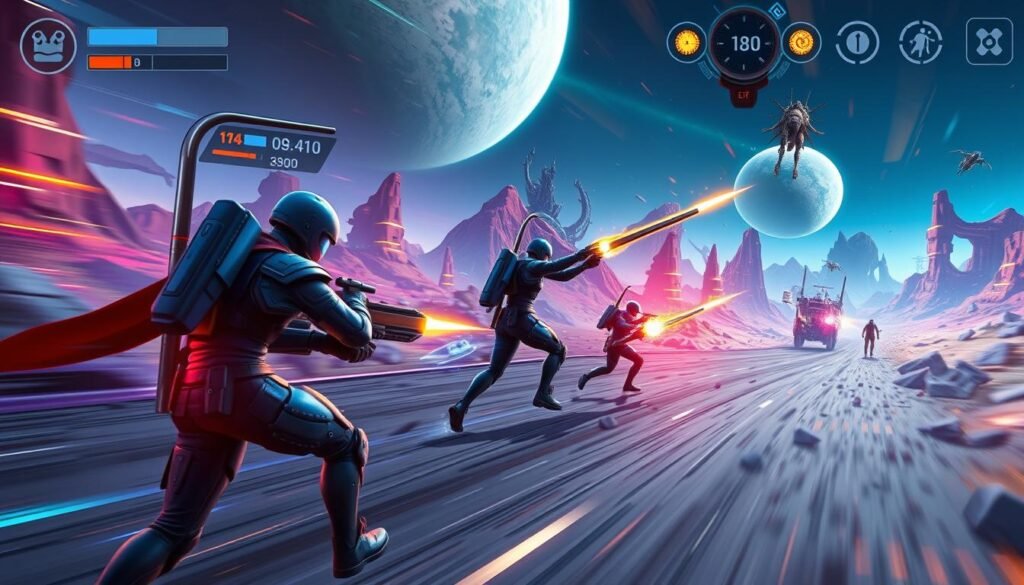 s on community-driven content. Multiplayer and social gaming platforms are gaining traction, supporting robust ecosystems where players interact and share experiences in real time. Overall, the 2026 gaming landscape encapsulates a future where technology and consumer engagement coalesce to create an unparalleled gaming experience.
Latest Gaming Products of 2026
As we delve into the world of gaming for the year 2026, several innovative products have emerged, catering to various age groups and gaming styles. The growth in technology and artificial intelligence has paved the way for these remarkable gaming devices and accessories.
For children, one notable product is the PlaySmart 2.0, an AI-driven console designed specifically for younger audiences. It features parental controls that allow guardians to monitor and restrict gameplay time. With built-in educational games and vibrant graphics, it encourages learning while providing entertainment. Technical specifications include a quad-core processor, 4GB of RAM, and compatibility with VR headsets, making it a versatile choice.
Teenagers will be excited by the launch of the HyperGear X200. This advanced gaming laptop boasts a stunning 15.6-inch 4K display, an AMD Ryzen 9 processor, and an RTX 4070 graphics card. Its sleek design appeals to today’s youth, while the customizable RGB keyboard allows for personalization. With a focus on community and social interaction, this laptop supports advanced gaming platforms and streaming capabilities, ideal for those who engage in competitive eSports.
For adults, the RoomBnG VR System redefines immersive gaming experiences. This virtual reality configuration uses full-room tracking technology and provides users the ability to move freely within their gaming environments. With high-resolution displays and realistic haptic feedback, it simulates a variety of scenarios, from open-world adventures to intense survival horror. Its robust application includes gaming, fitness, and social simulations, catering well to diverse interests.
These Gaming products exemplify the innovation orienting the industry, ensuring gamers of all ages have access to engaging and tailored experiences. The emphasis on user-friendly technology and diverse applications continues to shape the landscape of gaming in 2026.
The Role of AI in Modern Gaming Products
In 2026, the integration of artificial intelligence has become a cornerstone of modern gaming products, significantly transforming the gaming experience. AI technologies have advanced to the point where they can enhance graphics, adapt gameplay dynamic and create personally tailored gaming environments. One of the remarkable applications of AI in gaming is through enhanced graphics. AI algorithms are now capable of rendering environments with astonishing detail, producing lifelike visuals that immerse players within the game world. Techniques such as procedural generation, powered by AI, allow developers to create expansive worlds that evolve in real-time based on player actions.
Adaptive gameplay is another critical feature reshaped by AI in the gaming landscape. Machine learning systems analyze player behavior and preferences to adjust difficulty levels in real-time, creating a personalized experience that not only keeps players engaged but also challenges them according to their skills. This adaptability means that even novice players can experience quality gameplay suited to their level, promoting increased satisfaction and retention rates.
Moreover, the role of smarter non-player characters (NPCs) has evolved with AI advancements. These characters are now designed to learn from player interactions, making them reactive and unpredictable. This creates a more dynamic environment where players must think critically and strategize based on the actions of these AI-driven NPCs. Game developers are also leveraging AI to streamline the development process. Tools that automate testing, bug detection, and even content generation allow for more efficient production cycles, enabling teams to focus on creativity and innovation.
Ultimately, AI is not just a tool for gameplay enhancement; it is a transformative force within the entire gaming industry, reshaping how games are developed, experienced, and enjoyed.
Investing in Gaming: Choosing the Right Products
As the gaming industry continues to evolve with cutting-edge technology and innovative products, making informed investments in gaming is essential. First and foremost, understanding individual needs and preferences plays a vital role in selecting the right equipment. Different age groups and gaming styles may require distinct features and functionality. For instance, casual gamers may prefer simple and accessible gaming consoles, while competitive players might look for high-performance PCs or specialized gaming peripherals.
Budget considerations are critical when choosing gaming products. It is advisable to determine a budget range before exploring options, as prices can vary considerably. Within this budget, one should prioritize essential features that align with their gaming habits, ensuring optimal value for money. Additionally, researching products extensively can help identify models that fit personal preferences without overspending.
Reading reviews and ratings from reputable sources can significantly aid in making an informed decision. Insight from other users provides real-world experiences that can highlight strengths and weaknesses of specific products. Websites dedicated to hardware and gaming communities may offer valuable perspectives, guiding potential buyers toward the best choices available.
It is also important to consider warranties and customer support options when investing in products. Understanding the terms of warranty can protect your investment and provide peace of mind. In case of malfunction or dissatisfaction, good customer support can facilitate exchanges or repairs, ensuring that gaming experiences remain uninterrupted.
In conclusion, selecting and investing in gaming products requires thoughtful consideration of personal needs, budget constraints, and reliable product information. By conducting thorough research and focusing on quality and support, gamers can enhance their experience and ensure longevity in their gaming journey.